
Let’s set some ground rules right away before we get into this musing.
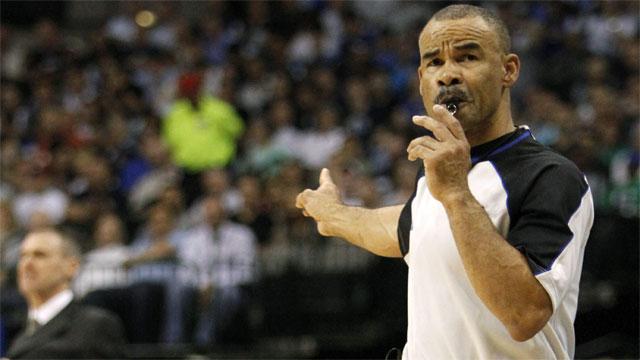
I may be biased, but let’s have at it, basketball may be the toughest team sport to officiate. In no other sport do you have so many variables to consider before making a call. The closest sport may be football, where you can call holding or illegal contact on every play.
That being said, an official’s call does not win or lose basketball games, or any athletic event for that matter, where a score is being kept. Please don’t get me started on the corruption of judging sports where there is no scoreboard or implement being handled. At some point in any team game that has been lost, the club on the short end can look back at something they have done that negatively impacted the outcome.
The Toronto Raptors are still a team in the bottom portion of the Eastern division trying to fight their way into the playoffs and earn some measure of respectability.
They’re certainly not there yet.
Toronto still needs to improve the depth of its player talent, the team’s level of play and overall consistently before any measure of success will come its way.
But can officiating have an impact on a game? Heck, is there sand and water at a beach? You get my point: it can have a huge impact.
The NBA noted that the officials working the Toronto-Charlotte game on Wednesday night missed a call with time running down at the end of the game that should have resulted in two free throws for Andrea Bargnani. With the Raptors trailing by a point and a capable free throw shooter on the line, the Toronto coaching staff would have gladly taken that option.
But easy Raptor fans, let’s get past a few isolated incidents, like the aforementioned game, or the "blind guess" by the officiating crew on a key call late in the game against Indiana on opening night.
Remember, none of the three officials had a definitive call and the video review was no help after they subjectively determined it was Pacers ball. Or, how about the five second call on an inbound play that resulted in a turnover while leading by one point against the Lakers on your home floor, late in the fourth quarter with under ten seconds to play.
In the essence of saving time I’ll stop the examples there.
It’s bigger than that in these eyes. I have long felt that you are either on the "good circle" or the "bad circle" when it comes to officiating in the NBA. You can read my thoughts here from an old posting almost two years ago and I still maintain it to be true.
In short, good teams get close calls ruled in their favour which helps them win tight games. After enough wins, it follows that a perception is created that they are a good team and have "earned" calls. If it comes down to a key call in a close game, look for the "better" team/player to get, more often than not, the benefit of the doubt.
Hey, they’re a good team and have "earned" it, right?
Said team keeps winning and the perception is strengthened. But, if you are on the bad circle, then as a losing team you are not getting the benefit of important calls at key times and as you continue to lose games there becomes a growing perception that you are not good enough to have "earned" close calls. Don’t look for close calls to go your way at key times, because you’re a losing team and haven’t "earned" the right to get the close call.
So what has to happen to change this idea of the rich get richer? Just like life, at some point you need help to change the perception.
The bottom-line message to the officials is as follows: call the game as you see it, devoid of a team’s record, a player’s personality, his stature or tenure in the league.
I’m sure some of you analytics guru’s will find a more recent example for me, but an old game note told me that six seasons ago in the NBA after a team was assessed a technical foul, they had almost 200 more free throws attempted than the opposition while the opposition was whistled for 225 more fouls than the team receiving the technical foul. I guess it corroborates the idea of the squeaky wheel getting the oil.
But for those Raptor fans that want Dwane Casey to lose it and start taking technical fouls, don’t count on that happening with any regularity. That’s not his personality. He’s old school in some aspects and adheres to the principle that if the leader is a ranting maniac, the team will be out of control as well and stop playing the opponent while focusing more on complaining to the officials.
Add to that the expense of a technical foul or ejection, and it makes it tough to help your team win when you are sitting in the locker room watching on TV. Yes, it takes a cool head to win a hot game. But that doesn’t mean he’s not getting to the point where he won’t stand up for his team.
I’ll say it again to remind you. Referees do not cause teams to win or lose games, but they are a factor and key calls can swing the balance in one team’s favour. Is the NBA’s admission a sign that Toronto may be earning some measure of respect? That remains to be seen because Toronto still needs to play better and work toward becoming a good team that starts to earn some of those calls and jump to the other circle.
What it has done is open the door for Raptor’s brass, from the coaching staff and upper management all the way up to ownership, to start asking tough questions of the NBA’s officiating where Toronto concerned.