THE ASSOCIATED PRESS
DUBAI, United Arab Emirates — Formula One got into the troubled nation of Bahrain and back out last weekend having run a successful grand prix.
The cost was more criticism of the racing series.
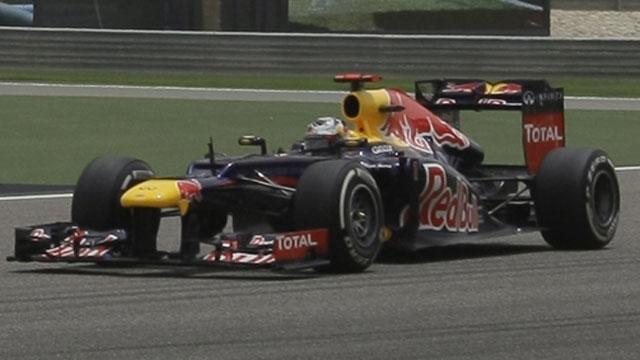
Sectarian violence on the streets of Manama, causing death and injury during the race weekend, created a disturbing background for the race, which itself was incident-free and won by two-time world champion Sebastian Vettel — the Red Bull driver’s first victory of the season.
Critics said Formula One was lining its pockets and ignoring the suffering of the local population. The sport’s organizers replied that the event was about sports and not politics, and that a grand prix could momentarily bring together the country’s divided population.
F1 chief Bernie Ecclestone, who was the key player in deciding the race would go ahead, had said before the race that there was no political trouble in Bahrain, and remained single-minded over the weekend.
"You know what they say, there’s no such thing as bad publicity," said Ecclestone, who was spotted several times alongside Bahrain’s crown prince. "It will grow here for sure. We will be back next year and for many years after because they do a top-class job."
Jean Todt, president of the sport’s governing body, the FIA, doubted F1 would be hurt by the decision to go to Bahrain. He said the media was too focused on the protest and violence.
"I feel F1 is strong," he said. "It is a strong brand and all the people among the teams to whom I have been speaking are very happy. I have even been told it would have been a mistake not to come."
Certainly those fans who braved the stringent security measures around the race track, and those extra millions of viewers drawn to the event by the attendant controversy, saw a compelling race.
Vettel led from start to finish but had to withstand a strong challenge from Lotus driver Kimi Raikkonen — who showed he had lost none of his talent in two years away from the sport — and his young teammate Romain Grosjean, who earned his first F1 podium finish.
It is the first time since 1983 that four different teams have won the first four races of a season, indicating a closely fought championship to come. There is a three-week break until the start of the European section of the season — a break that includes a vital testing session in which teams can overhaul their cars, with the sport having relaxed its recent ban on in-season tests.
During the three weeks the sport’s stakeholders will assess whether the decision to race in Bahrain was the right one, and to digest the strong criticism from some quarters.
"Formula One organizers risk tarnishing the glamour of their sport if they turn a blind eye to human suffering while pursuing business profits," Amnesty International’s Sanjeev Bery said.
"It is one thing to hold an event," he said. "It is another thing entirely to actively pretend that the host government has committed no human rights violations, when facts on the ground reveal otherwise. Sports organizers don’t have to adopt the PR strategies of repressive governments in order to promote their events."
The race was cancelled last year due to the anti-government protests and then a bid to reschedule the race for later in 2011 was abandoned by local organizers amid increasing pressure from rights groups.
It was included on the calendar this year with the hopes that reforms promised by the Sunni rulers would help end the country’s political crisis, but strident divisions clearly remain.
All the teams and their drivers agreed to take part, putting the responsibility on the FIA and Ecclestone to make the decision. Sponsors and investors, too, followed suit and none pulled out. Among them was Bahrain’s sovereign wealth fund, Mumtalakat, which owns 50 per cent of leading team McLaren.
Teams and race fans were greeted with huge protests and heavy security. A Force India vehicle was almost hit by a firebomb thrown by a protesters. A cultural exhibit set up to promote the race was also targeted by protesters, sending visitors scurrying for cover. Bahrain declined entry to several journalists, from The Associated Press and other major media outlets.
In the end, the race itself went off without incident and Bahrain’s rulers celebrated, but the country’s problems persist.
Force India’s deputy team principal Bob Fernley said the increased publicity from the race could help solve the country’s problems.
"Hopefully, the Formula One program has brought the world’s media here, it gives a good platform for debate and hopefully it will help with the healing process for Bahrain," he said.