
The date was April 7, 1999, and just a few hours after the Montreal Expos beat the Pittsburgh Pirates 4-3, commissioner Bud Selig took part in a sod-turning ceremony for a new downtown ballpark in Pittsburgh. This was a good opportunity for a Montreal-based reporter mired in the myriad issues of that franchise.
“We’re walking back to the hotel,” Selig said, motioning to his long-time public relations manager Rich Levin, along with his personal security guard. “You can walk with us. It’s nice out.”
Did Selig spill any secrets on the walk back to the hotel that night? Not that I remember – OK, yeah, there was that one. I do know that during the years leading up to the Expos’ eventual exit from Montreal there were times where he would return calls and talk on the record or off the record about issues. Some times he wouldn’t.
I know that he called my cell phone one time about four years ago when I was driving home because he disagreed with something I’d written earlier in the day, a reference, I believe, to how he was using a currency equalization payment he made to the Toronto Blue Jays to ensure Paul Godfrey’s vote, or some such thing. It wasn’t the fact that he traded favors to get consensus that bothered him – he did, and that was one reason that every ownership vote of consequence was usually “unanimous” – as much he was bothered by the suggestion cash was involved.
That was one of the constants about Selig: while the rest of the sports world kept saying: “I don’t know, I don’t read the newspapers,” Selig read as much of the fish-wrap as he could. He received a daily compilation of clips, some from his favoured national writers – you knew them, because in a news conference he’d always address them by name – and the rest whenever they were topical.
Sunday is Selig’s final day as commissioner of Major League Baseball. He will be retained as commissioner emeritus while the man who eventually supplanted Paul Beeston as Selig’s lead labour negotiator, Rob Manfred, moves into the commissioner’s office (although in a neat little wrinkle provided by the baseball gods, it wasn’t without the kind of wrangling that used to drive Selig nuts: a mini-revolt spearheaded by Jerry Reinsdorf of the Chicago White Sox and Beeston, the president and chief executive officer of the Toronto Blue Jays). In the end Manfred was elected; he was, after all, Selig’s hand-picked successor – the last man standing out of a lineage that at one time included Beeston (booted out as chief operating officer of Major League Baseball because he was seen to be too close to then-players union-chief Donald Fehr, with a secret opt-out clause he’d given Roger Clemens while he was with the Blue Jays used as a pretext); and Robert DuPuy, a longtime Selig family friend and Milwaukee-based lawyer.
There have been and will be tomes devoted to the successes and failures of Selig’s tenure. The knee-jerk reaction is that he’s the guy who killed the 1994 World Series, deep-sixed the Expos, watched over a tied All-Star Game and let a culture envelop the game that deemed it OK to use steroids and other performance enhancers – all while the NFL galloped past baseball to become the most popular sport in the U.S. The knee-jerk reaction is wrong.
Selig has cajoled, bullied and bartered 22 new stadiums out of various levels of government since he was full-time commissioner – some of those stadiums built during economic downturns. He doesn’t get full credit for the fact baseball is now a $9 billion a year industry compared to the $1 billion-dollar operation under former commissioner Fay Vincent, or the fact that baseball’s online properties are the industry standard, but he deserves a large measure of credit for 21 years of labour peace, much of that gained from a realization that fighting for a hard salary cap against the most resolute players association in the world was a losing proposition.
The television landscape has changed, but despite slipping ratings for its jewel events baseball has seen continual growth in the value of its network contracts – while regional sports channels inflate the value of franchises to the point where the San Diego Padres can command a sales price of close to $1 billion. Under his watch a new playoff system was created, revenue was shared, World Series were won by the Miami Marlins and Arizona Diamondbacks of the world and video replay was instituted to a sport believed by many to be too stodgy to accommodate such radicalization.
This is not to soften the edges – let alone romanticize or sanitize – Selig’s past. He has shown a fan’s sensibilities in several matters (such as video replay) but he has been bloody-minded and buried some bodies along the way. It is because of Selig and his conflicting interests as owner of the Milwaukee Brewers that the office of the commissioner turned into a de facto CEO’s position as opposed to being some kind of independent arbiter or fan representative.
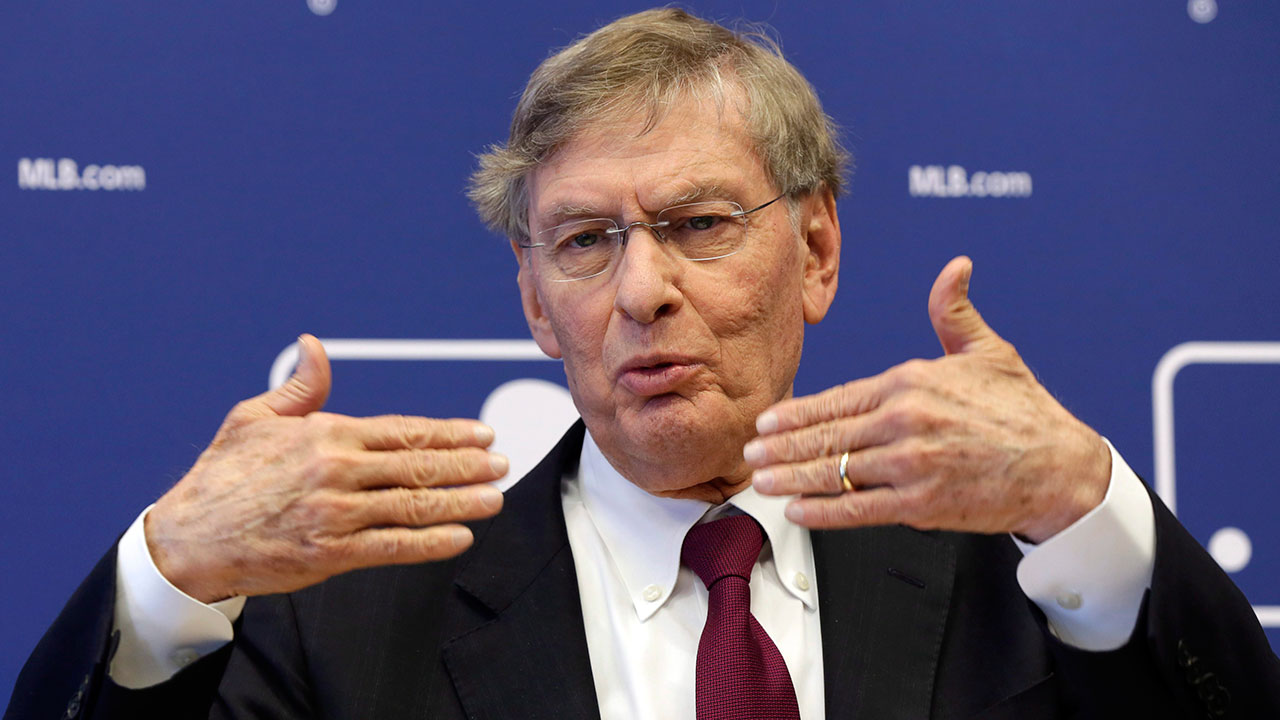
The worldwide web is full of pictures of the decidedly non-telegenic Selig in unflattering poses – all bad hair, squinting, nose-wrinkled, hands cupped to ear pictures – but that belies a shrewd operator who used his position as chairman of the MLB executive council to help orchestrate the overthrow Vincent, in 1992, then hang on the title of acting commissioner for six years before getting the job on a full-time basis. That takes stones and perseverance, as did his consolidation of power by overseeing the dissolution of separate National League and American League offices.
But I get back to that walk in Pittsburgh. This was still a time where most of a reporter’s work was elbow grease – hours of phone calls; messages left and sometimes unreturned mixed with plain, old, dumb luck. Selig could frustrate you, entertain you, stonewall you and for all I know probably even fib a little. But he kept clubhouses open to reporters when the players association and some of his general managers wanted them closed. He would walk through the press box in County Stadium and berate or take the piss out of reporters, then sit down beside you and scarf down a bratwurst.
It will be impossible to forget the battles fought and some of the scars still remaining from his tenure, but by God what a run the man has had, dragging along his slow, doddering and sometimes confounding sport that so many of us love. Despite some dead-ends and dark days, it is better now than when he took over. And isn’t that the way it’s supposed to be?