The NBA’s coach of the year debate is one of the most hotly contested this season with a large number of candidates that national NBA media is talking about, all of whom have compelling cases going for them.
They are: the Milwaukee Bucks’ Mike Budenholzer, the Denver Nuggets’ Mike Malone, Doc Rivers of the Los Angeles Clippers, the Indiana Pacers’ Nate McMillan, Dwane Casey of the Detroit Pistons and the San Antonio Spurs’ Gregg Popovich.
A notable omission from that list, however, is the Toronto Raptors’ Nick Nurse, a man who in his first year as a head coach has Toronto at 57 wins with one more game to play, the second-best record in the entire league and is doing this while integrating a slew of new pieces into what was an existing veteran core, both at the beginning and in the middle of the season.
So then, what gives?
Nurse is likely being overlooked because of all the success the Raptors have enjoyed before he was given the reins, meaning his efforts to improve this Raptors team over last season haven’t been as apparent as the work most of the coach-of-the-year candidates have done with teams that didn’t have as much expectation as Toronto did and ended up overachieving as a result.
Nurse hasn’t had that luxury, but he’s managed to excel anyways and position his team as a legitimate championship contender this season.
So, as a reminder to those who may have forgotten, here are five reasons why Nurse should at least be back in the conversation for the league’s top coach award.
[relatedlinks]
Siakam’s emergence
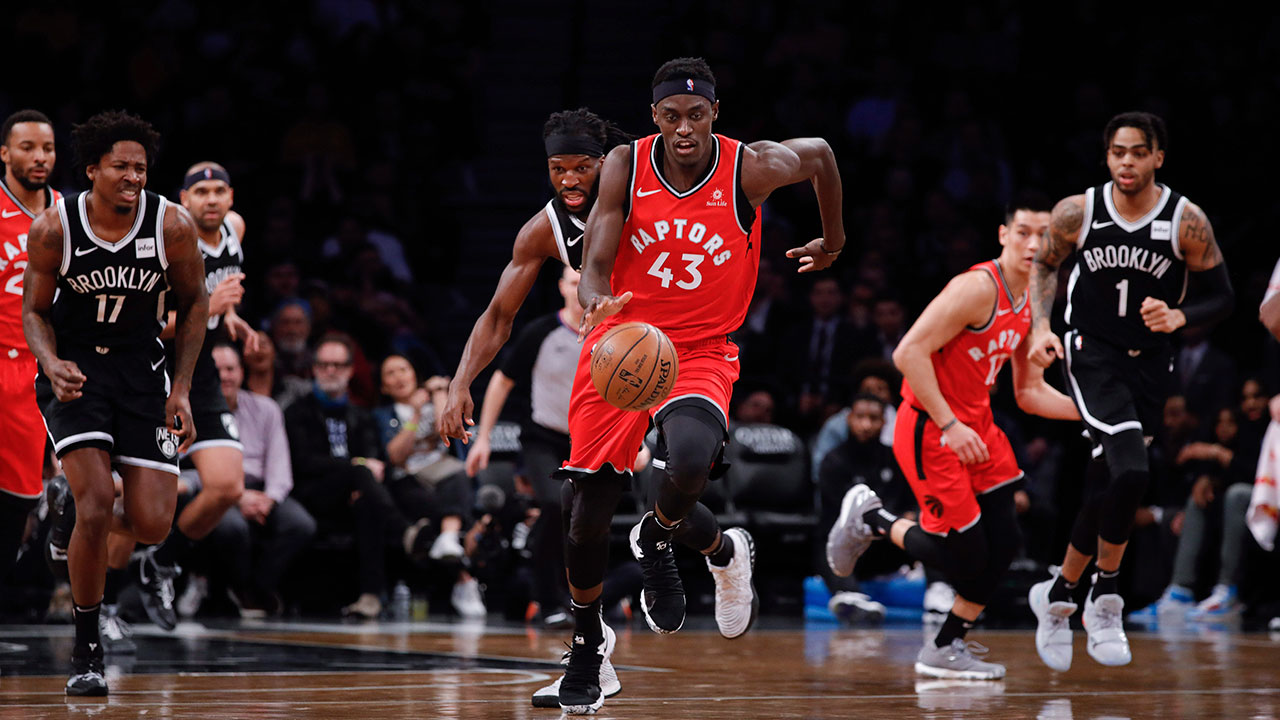
A lot’s been made about Pascal Siakam’s case for Most Improved Player because of the extraordinary leap he’s taken this season. This jump of Siakam’s also makes for a compelling case in favour of Nurse’s coach-of-the-year candidacy.
This is because of the increased opportunity and the role Nurse has carved out for Siakam this season, in addition to the hard work the 25-year-old put in and continued to do so to turn himself into one of the Raptors’ best and most important players heading into the post-season.
Before this season, Siakam was used as more of a traditional combo forward, expected to rebound, defend both in the post and occasionally out on the perimeter and sometimes take jump hooks or layups when those chances arose.
Now, however, he’s still being asked to do all those things, but Nurse added the dimension of making him a secondary ball-handler and, like Magic Johnson used to do, take the defensive rebound and run the break himself.
By putting the ball in his hands, Nurse unleashed a weapon for his team that no opponent has been able to figure out this season because of Siakam’s unique blend of length, athleticism, deceptively strong handle and blazing speed.
Nurse saw all the work Siakam put in during the off-season and training camp and decided to take a chance on him as a point forward, a move that may well be the one that’s defined this Raptors season.
Centre utilization
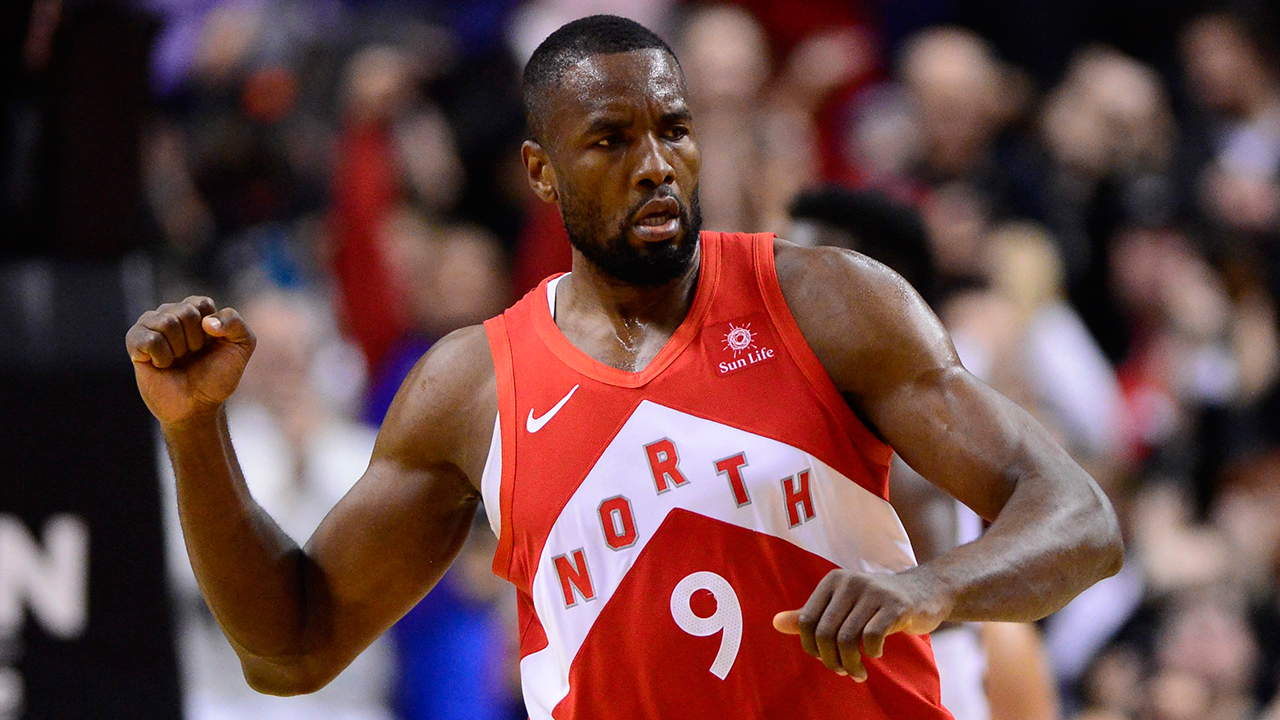
Staying with the Raptors’ front-court, if the way Nurse positioned Siakam to become the elite-level player we see today is the coach’s greatest accomplishment, then the tactic he used to get the most out of his starting centre position has to be a close second.
Whether it was Serge Ibaka and Jonas Valanciunas or, later, Ibaka and Marc Gasol, Nurse consistently got a lot of mileage out of the centre spot by choosing to split his two bigs up instead of forcing the issue with both of them on the floor at the same time.
Of course, we have seen some minutes late in the season with both Ibaka and Gasol together, but that doesn’t take away from the fact that Ibaka has enjoyed something of a career renaissance, averaging 15 points per game and collecting more than eight rebounds per contest and shooting above 50 per cent from the floor for the first time in five seasons.
This has been the best season Ibaka’s enjoyed in a Raptors uniform and it isn’t by coincidence. With Nurse having Ibaka regularly play as the only true big man on the floor it’s opened up so much more space for the 29-year-old to run that deadly pick-and-pop combination with Kyle Lowry or any other point guard who’s on the floor with him.
[sidebar]
In pick-and-roll situations as the roll man, Ibaka is averaging 1.10 points per possession and is shooting 54.6 per cent, an impressive mark when you consider he’s usually stretching out and is taking mid-range jump shots off this action, a figure that’s been able to make up for the poor season he’s had from three-point range.
And while Ibaka has certainly been the biggest beneficiary from the way Nurse has utilized his centres this season, this strategy has also been very effective for both Valanciunas and Gasol.
Under this new rotation, Valanciunas and Gasol were obviously playing less minutes than before so their usual numbers did take a hit. However, if you were to look at per-36 minutes figures you’d actually see that, in many ways, both men were playing better than they were in their previous situations.
In Valanciunas’ case, last season he averaged 20.4 points and 13.8 rebounds on 56.8 per cent shooting per 36 minutes. Whereas this season, in 30 games played with the Raptors before he got traded to Memphis, his per-36 averages were 24.5 points and 13.8 rebounds on 57.5 per cent shooting.
And other than scoring, a similar level of improvement can be seen with Gasol between the 53 games he played with the Grizzlies this season and the 25 with the Raptors, as he put up 16.8 points, 9.2 rebounds and 5.0 assists while shooting 44.4 per cent from the field and 34.4 per cent from deep per 36 in Memphis and 13.2 points, 9.6 rebounds and 5.8 assists on 46.2 per cent shooting from the field and 42.9 per cent from three-point range per 36 in Toronto.
Unlike Casey, who preferred having two big men on the floor at the same time until a smaller opponent’s lineup would eventually exploit it, Nurse has just opted to go (somewhat) small from the outset and put his bigs into positions to succeed as opposed to areas where they can potentially get exposed.
It’s been a smart and productive tactic so far and there’s no reason to think it won’t just keep working in the playoffs.
Quantity and quality
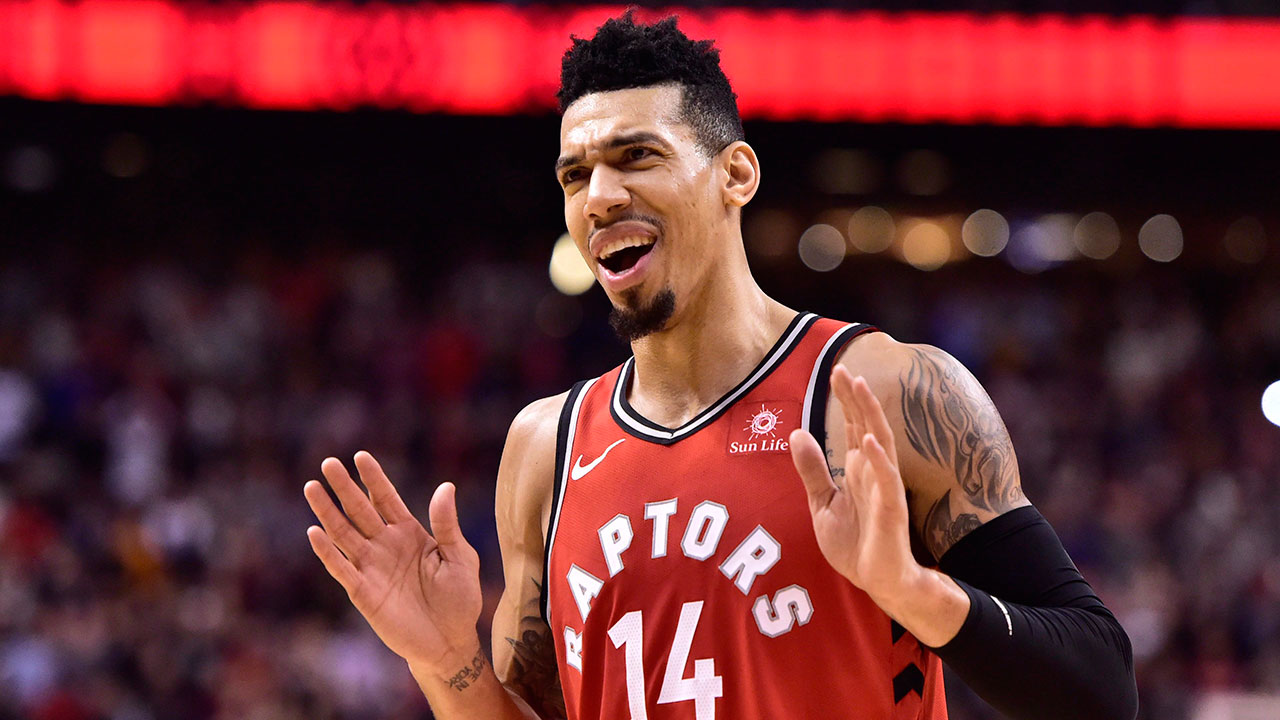
With one game remaining, the Raptors can’t surpass their season-best win total of 59 from last season, but that doesn’t mean this team didn’t improve under Nurse.
As the league has become more analytically-inclined, the value of quantity (i.e. more shots and more possessions) is more important than ever, and Nurse and his staff have managed to do that without taking too much of a hit to efficiency, as the table below illustrates:
For the uninitiated, “ORTG” refers to a team’s offensive rating, or how many points a team would score in 100 possessions, “AST%” refers to assist percentage, which is a percentage of the number of field goals a team assists on, and “PACE” is the number of possessions per 48 minutes a team averages and is a good indicator of how fast or slow a team plays.
Essentially, what this table shows is despite a one-game difference in the number of games played between this season and last, Nurse’s 2018-19 Raptors have managed to increase the quantity of the analytically-approved offensive categories while staying steady and sometimes improving efficiency-wise.
Nurse deserves a ton of credit in this regard, especially when you consider the new pieces he’s had to integrate.
Crunch-time improvement
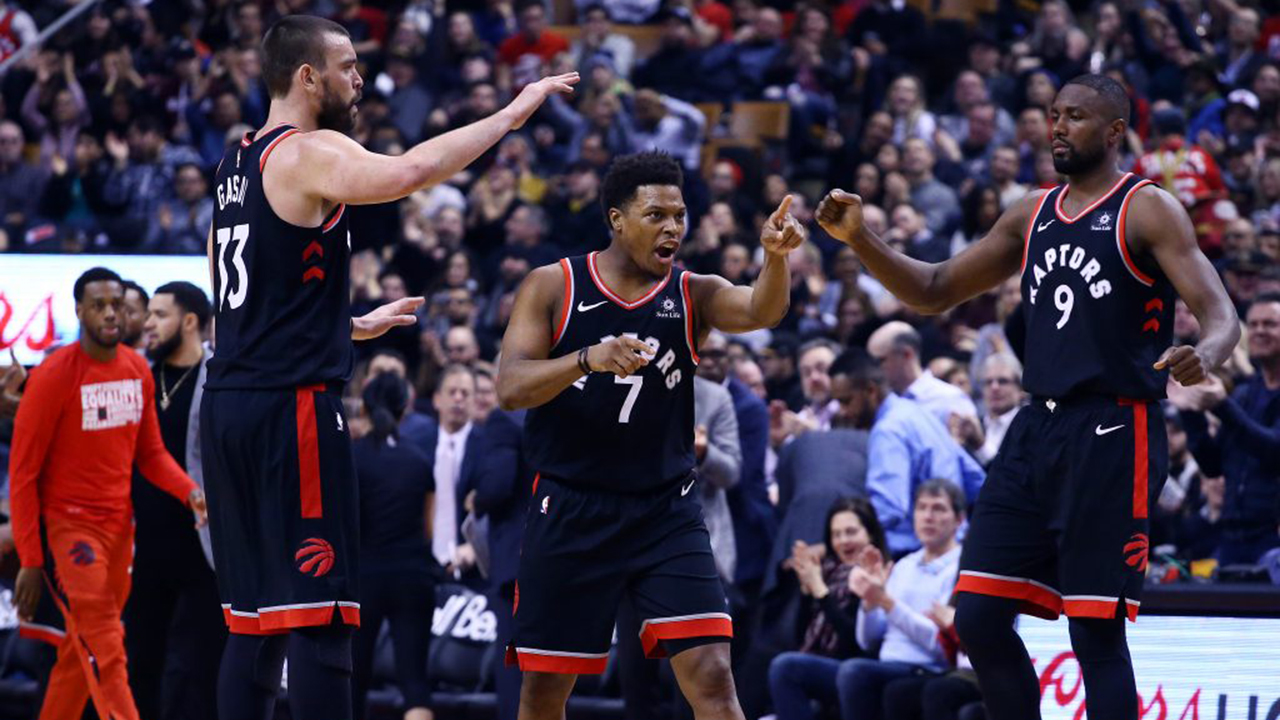
The offensive improvement the Raptors have taken this season isn’t as easy to see and it can be interpreted as just a natural evolution from what the team was already doing last season.
Something that can’t be construed this way, however, is the Raptors’ clutch offence, which is markedly better than last season:
The numbers you see above are sourced from what NBA.com defines as “clutch” (moments in the last five minutes, with the score within five points or less between two teams).
As you can plainly see, the Raptors are simply better in these situations than last season with the exception of getting to the free-throw line — mainly because without DeMar DeRozan, the Raptors are left without that kind of dominant foul-attracting player — and, most curiously, the number of possessions they get.
For context’s sake of what that 107.03 number means, this season the Hawks lead the league in PACE with a 104.57 per 48 minutes. So Toronto was getting quite a few opportunities in the clutch last season but, as their poor efficiency shows in these situations, they weren’t able to capitalize as often, whereas this season, the Raptors are getting much fewer possessions but are making good on them more often.
This speaks to a level of greater understanding from the Raptors of what to do in these important moments. One of the greatest frustrations from last season and seasons prior was just how disorganized the Raptors appeared to be in tight situations coming out of timeouts. This season, Nurse hasn’t been able to cure all the ills, but the level of execution has been crisper and the numbers show that.
Personnel management
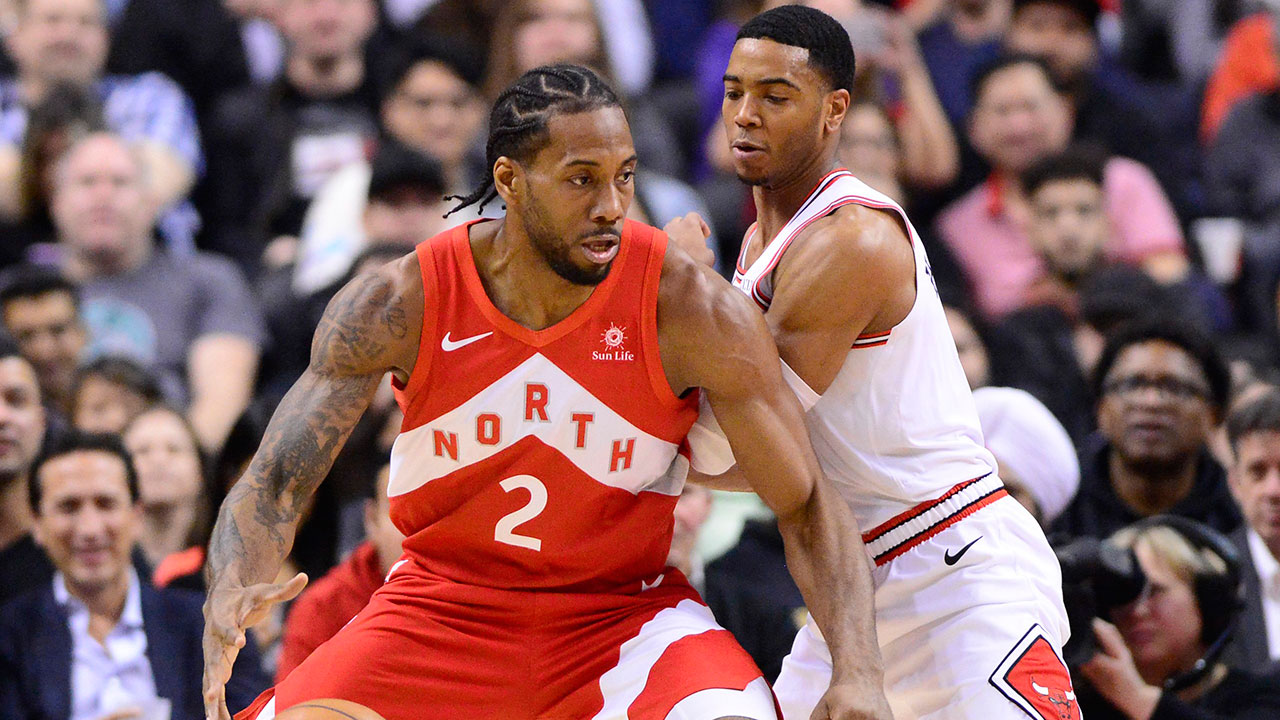
Lastly, consider the fact that in addition to everything else he’s had to deal with this season, Nurse’s greatest challenge has been dealing with constantly rotating personnel either because of injuries, load management, suspensions, personal reasons or simply because certain guys just weren’t performing well enough and Nurse had no choice but to sit them.
Discounting guys who were bouncing from Raptors 905 and the big club and sparingly-used players this season such as Greg Monroe and Jodie Meeks, Nurse has had to deal with 12 players this season who have missed time and seven who have been out at least 15 games or more, including Lowry and Kawhi Leonard, both of whom Nurse has balanced particularly well.
That’s a lot of talent that’s missed time and yet this Raptors team still has 57 wins. Pretty good work for a rookie head coach, and just more food for thought for those voting for the NBA’s coach of the year award.