
NASCAR is the undisputed new king of the track—but in May, the Indy 500 still glimmers.
It’s still here, hanging in the air.
It’s here, standing in line, waiting to pick up a pass, when the guy in front of you says “Hey, Dallenbach…” to the woman standing near the counter, and you realize that she is part of that legendary clan, that he is Johnny Rutherford, three-time winner of the Indianapolis 500, and that a significant cross-section of the history of American auto racing is represented in those two old friends having a chat.
It’s here when you walk into the Indianapolis Motor Speedway and are reminded again of its ridiculous scale. There are many shrines in sport, hallowed stadiums and grounds and rinks worthy of a pilgrimage, but this is one that really defies description. You have to get inside the track and look down the front straight to get a sense of just how enormous the place is—though there is that clever graphic, which shows that the Rose Bowl, the Roman Colosseum, Yankee Stadium, Churchill Downs, the entire Wimbledon complex and Vatican City (!) could all be squeezed together within the track’s infield.
And it’s here when you look at that yard of bricks at the start-finish line, a simple reminder that 102 years ago, back when automobiles were still a bit of a novelty, this is where it began.
So how did they nearly squander all of that?
How did a group of smart, otherwise successful people take the Greatest Spectacle in Racing, with all of that history and tradition and personality and lore, and manage to make something so big so much smaller?
Here is the great cautionary tale of modern sport, where competing egos and competing interests conspired to diminish the Indy 500 and mortally wound the golden goose.
In 1996, Tony George, the owner of the Speedway, decided that he didn’t have as much influence over the sport as he ought to, and so opted to start his own racing circuit, with its own rules, that would include the Indy 500. The team owners and their star drivers decided that they didn’t need George and his race to succeed, and so stayed away—for one year running their own race on the last Sunday of May in direct competition.
Even as those Neros were fiddling, a clever, progressive competitor—NASCAR, operated under the iron grip of the France family—roared right by them, taking over, building stars, securing enormous television rights fees, crossing over and taking a place in the American sports mainstream right next to football, baseball and basketball.
Both sides in the Indy split were wrong, and by the time their standoff ended, both took a beating from which they have yet to recover.
Whither the Indianapolis 500 in this the year of its 97th running?
It’s kind of like a Super Bowl without a league.
The circuit is still there, a mixture of street and road and oval courses that represents a superb driving test, and there are still pockets where it is the biggest racing game in town—including Toronto, where they will run two races, back to back, this summer.
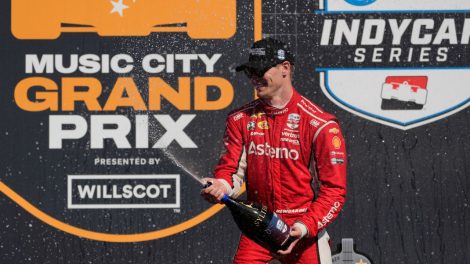
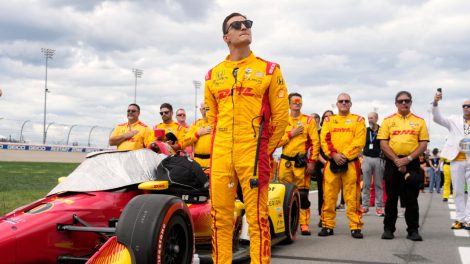
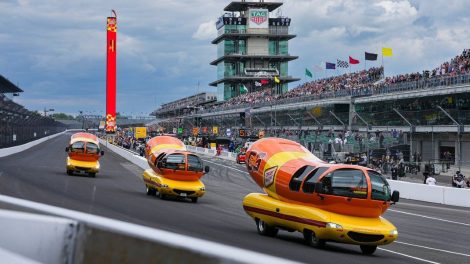
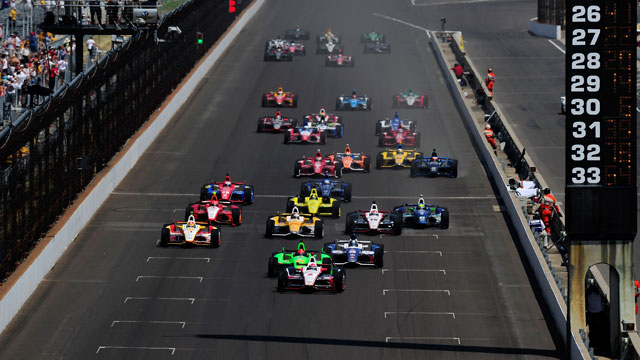
But outside of those places, the big race exists in a kind of splendid isolation, a spring ritual cut back in size—the track used to be open for a month of practice and qualifying; now it’s a little over two weeks—that will still pack hundreds of thousands of people into the ancient grounds, will still have Jim Nabors singing “Back Home Again in Indiana,” will still offer the clarion call “Gentlemen, start your engines,” and will still deliver the most thrilling and terrifying moment in sport, when the cars come down the stretch three abreast and then fly into turn one.
In other words, it’s what it has always been, but not nearly what it once was.
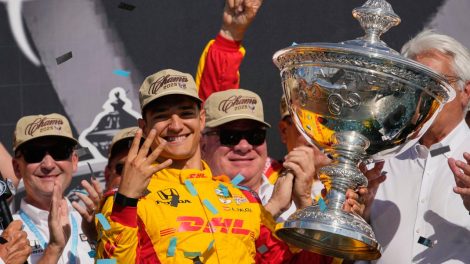
The only contemporary Indy racer who enjoyed the mass recognition afforded the Unsers and Andrettis and Foyts in the past—or the NASCAR stars of the present—was the departed Danica Patrick, and you could argue that more people know Helio Castroneves for his stint on Dancing with the Stars than for wining the 500 three times.
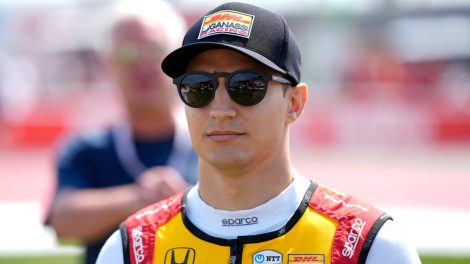
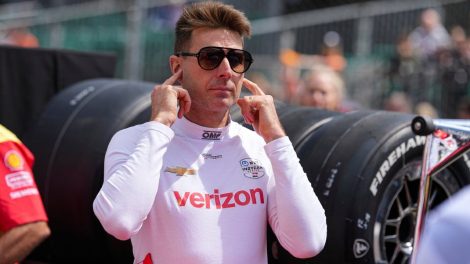
That said, there are some attractive personalities among the drivers now, including the veteran Dario Franchitti and rising talents like Oakville, Ont.’s James Hinchcliffe, winner of two of the first four races this year, a reminder of the golden era of Canadian racing, when Scott Goodyear, Paul Tracy, Jacques Villeneuve and Greg Moore provided multiple national rooting interests. It’s from among this group that the next household names will have to emerge. The road back is long, and the landscape has changed dramatically. But here at the Brickyard, when the green flag drops, is the place where it has to start.