OTTAWA — Learning how to win.
For years, the Ottawa Senators were stagnant by the quarter mark of the season: bad habits and losses piled up by November like construction trucks on the 417.
Last season, they overcame yet another poor start. This season, they’ve gone to another level even without their leader, Brady Tkachuk. It’s their best start to a season since 2016-17, and they’ve shown the fortitude of a team transitioning from good to potentially great.
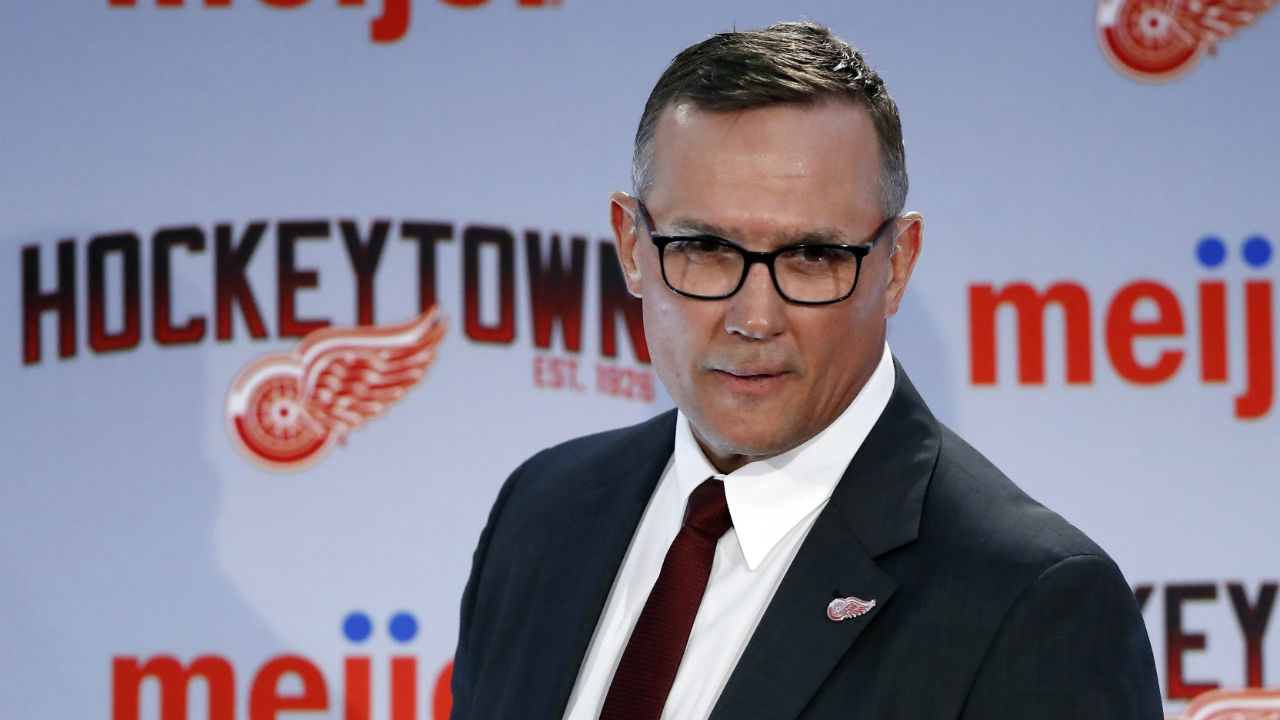
“We've certainly taken some strides in that (right) direction,” Senators general manager Steve Staios said, assessing his team’s start.
The Senators are 11th in five-on-five expected goals share and have the fewest expected goals allowed at five-on-five of any team in the NHL. They have three of the best 13 combinations of forward lines and defensive duos in the NHL in terms of expected goal share — all without Tkachuk.
Last season, the team finished second-last in goals scored at five-on-five. Now their finishing is elite, enjoying the fifth-best shooting percentage, at 12.28, and they are eighth in five-on-five goals per game this season. With Tkachuk expected to join the team around American Thanksgiving, we might finally be able to assess how good this team has become.
Most encouraging development: Shane Pinto is a force
Shane Pinto deserves his flowers, of which he can afford a boatload after signing a $30-million contract extension to remain with the Senators until 2030. Pinto is on pace for career highs in goals (38), assists (30) and points (67), and that might not even be the most encouraging part of Pinto’s start to the season. He’s become the ultimate American-made Swiss Army knife who can shut down opponents’ best lines, drive play and kill penalties effectively.
His line with Michael Amadio and Claude Giroux has combined for 22 points in 13 games while routinely playing against the McDavids, Crosbys and Pastrnaks of the world. They aren’t just defending: Pinto’s line is dominating the world’s best. It has the best expected goals rate of any line in the NHL, according to Moneypuck.com. He's called the nominal second-line centre/third-line centre all the time, but Pinto is absolutely Ottawa’s second-most vital centre. No slight at Dylan Cozens, but Pinto routinely gets the hardest matchups.
Also, outside of Tim Stutzle, Tkachuk and Jake Sanderson, Pinto is arguably the Senators' most impactful player because of the minutes he plays and competition he faces. Nothing suggests Pinto’s growth is a hot streak: his shooting percentage this year is only two points off last season’s. He’s the real deal, and the Senators might have a steal with Pinto’s new deal.
Most concerning development: Goaltending
In hockey, one position can hold most of the cards, and that would be the goaltender. The Senators have the third-worst team save percentage, with an expected goals allowed per game of 2.83, which is fifth in the NHL, according Moneypuck.com but — wait for it — they have the seventh-worst goals allowed per game of 3.42.
The good news is that the goaltending has started to settle. Linus Ullmark has given up four or more goals in regulation only once since Oct. 18 and Leevi Merilainen has a .912 save percentage in his last three starts. However, there have been concerns about Ullmark.
“When I watch Ullmark, as skilled as he is, he never looks like he has a level of intensity that would allow his skills to show up in their greatest form,” former goaltender Steve Valiquette said on Sportsnet's Real Kyper & Bourne in October.
“That's why the leaky ones are going through right now. I think that he's so good at the sport that he gets away with letting his talent carry him, rather than having the intensity that's required to really be at his best and be the highest performer that he could be. I remember talking to you guys about this in October last year, this guy is going to make everybody in that organization pull their hair out, and I think it's already happening."
The Senators have gotten better goaltending of late, but when was the last time their goaltender stole them a game?
Staios says he believes in Ullmark.
Ullmark will need to make doubters into believers. Ottawa’s pathway to any sort of playoff success goes through him.
Top-six forwards: Grade B+
Stutzle and Drake Batherson have become point-per-game players in the absence of their captain, which is a great sign for when Tkachuk returns. The team’s grade would have been higher than a B-plus if it weren’t for Dylan Cozens’ and Fabian Zetterlund’s underwhelming performances. Ottawa's second line has struggled mightily at five-on-five.
Cozens has been a success mainly on the power play, with only five of his 14 points coming at five-on-five. He has the worst expected goals share on the Senators at five-on-five. Zetterlund, who came to Ottawa as a top-six forward, has one goal in 19 games. Stats speak for themselves.
One key to contention for the Senators will be getting their second line going. One would imagine that Staios sees the problem and will try to add another impact forward before the trade deadline. Sportsnet's Elliotte Friedman wrote in his recent 32 Thoughts column that Ottawa is lurking to try to hit a home run via trade.
Bottom-six forwards: A-
When you have the best “third line” in the NHL, that warrants an A grade. Coach Travis Green routinely plays the Pinto line more minutes than the second line with Cozens. As mentioned, the line of Amadio-Pinto-Giroux has suffocated opponents 9-to-5 (outworking teams for hours). Zero notes for them.
But the fourth line has struggled, with Green mixing and matching wingers on Lars Eller’s flank, including enforcer Kurtis MacDermid, who is playing for his fisticuffs rather than his stick-handles. Nick Cousins, Olle Lycksell, Hayden Hodgson and, briefly, Zetterlund have all taken turns, but none have stuck. The Senators have been outscored 8-7 with Eller on the ice. Not bad for a fourth-liner, but it’s been meh. That could change when Tkachuk returns, as one of the top-nine forwards will have to slot into the fourth line.
Defence: B+
The Senators have had two pairings this season that have been excellent and one that’s been well below par. That’s why the B-plus. The duos of Sanderson and Artem Zub, and Tyler Kleven and Jordan Spence have been wonderful. Both are top-five in expected goals share in the NHL amongst pairings that have played at least 100 minutes. However, coming off hip surgery, Nick Jensen has been a step slow as he and Thomas Chabot have a below-average expected goals share and the Senators are an even 9-9 in goals for and against when they are on the ice.
With Chabot’s recent injury and the recent acquisition of Dennis Gilbert, we likely will see different combinations on the back end. Regardless, the Senators defence has been really good and, yet, the biggest question is who plays with Chabot when he returns? For a brief spell, Chabot and Spence looked great. Staios might try to find a solution outside the organization because Jensen hasn’t been the same excellent partner for Chabot he was last season.
Goaltending: C-
We won’t rehash our previous statement about goaltending, but will add some a comment from goalie coach Justin Peters about Ullmark’s mindset: “His confidence in his game hasn't wavered at all.”
Peters believes one trait distinguishes Ullmark from most goalies: “He's such a smart goaltender, and he knows he's aware of all the situations.
“When we chat after games, he knows exactly what's happened every play in the game. You know his memory and his mind, his ability to retain information is pretty special.”
But is the body keeping pace with the mind?
Ullmark is now 32. The Senators are betting that he can recover his Vezina-calibre play as he fights Father Time and the challenges of stopping vulcanized rubber, day in and day out.
Quarter-mark awards
MVP: Tim Stutzle
Most Improved Player: Shane Pinto
Best Defensive Player: Jake Sanderson
All statistics from Natural Stat Trick and Moneypuck.com.