Here’s what this comes down to: if you’re a hockey player in any league that doesn’t have a super-fancy Situation Room full of 8K screens, that goal was offside. Imagine that play involves your beer-league team, your university intramural team or your child’s team.
It’s offside. Chances of it counting: minus-10,000 per cent.
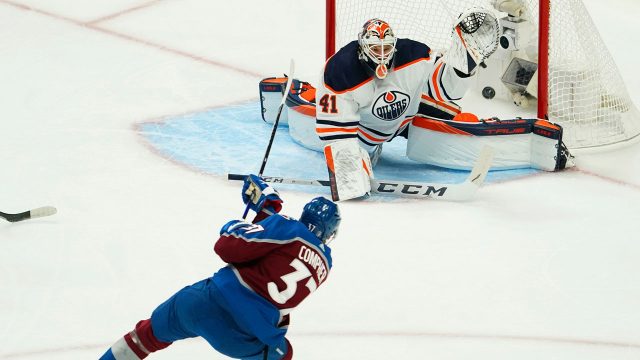
That’s the same reaction I had when Cale Makar scored. I said, “No way.”
In the NHL, things changed on March 19, 2017.
One video coach said Tuesday night his team started practising this play right after it occurred. More examples followed:
Feb. 4, 2020 Charlie Coyle against Vancouver:
Jan. 23, 2021 Brendan Gallagher in Vancouver:
April 6, 2021 Michael Bunting against Los Angeles:
Several video coaches indicated they felt awful for their Edmonton compatriots, knowing the Oilers were going to lose the challenge.
“I’m betting this one hasn’t happened to them,” one wrote. “They weren’t familiar with it.”
A few GMs said they agreed with the ruling. The biggest group that disagreed were current or former players. But there was much, much less disagreement overall than with the Blake Coleman disallowed goal in Game 5 of the Battle of Alberta.
One linesman said that if there was one thing he could have changed about the original column I wrote, he would have called the play “a mini-delayed offside.” Let’s go through what we discussed.
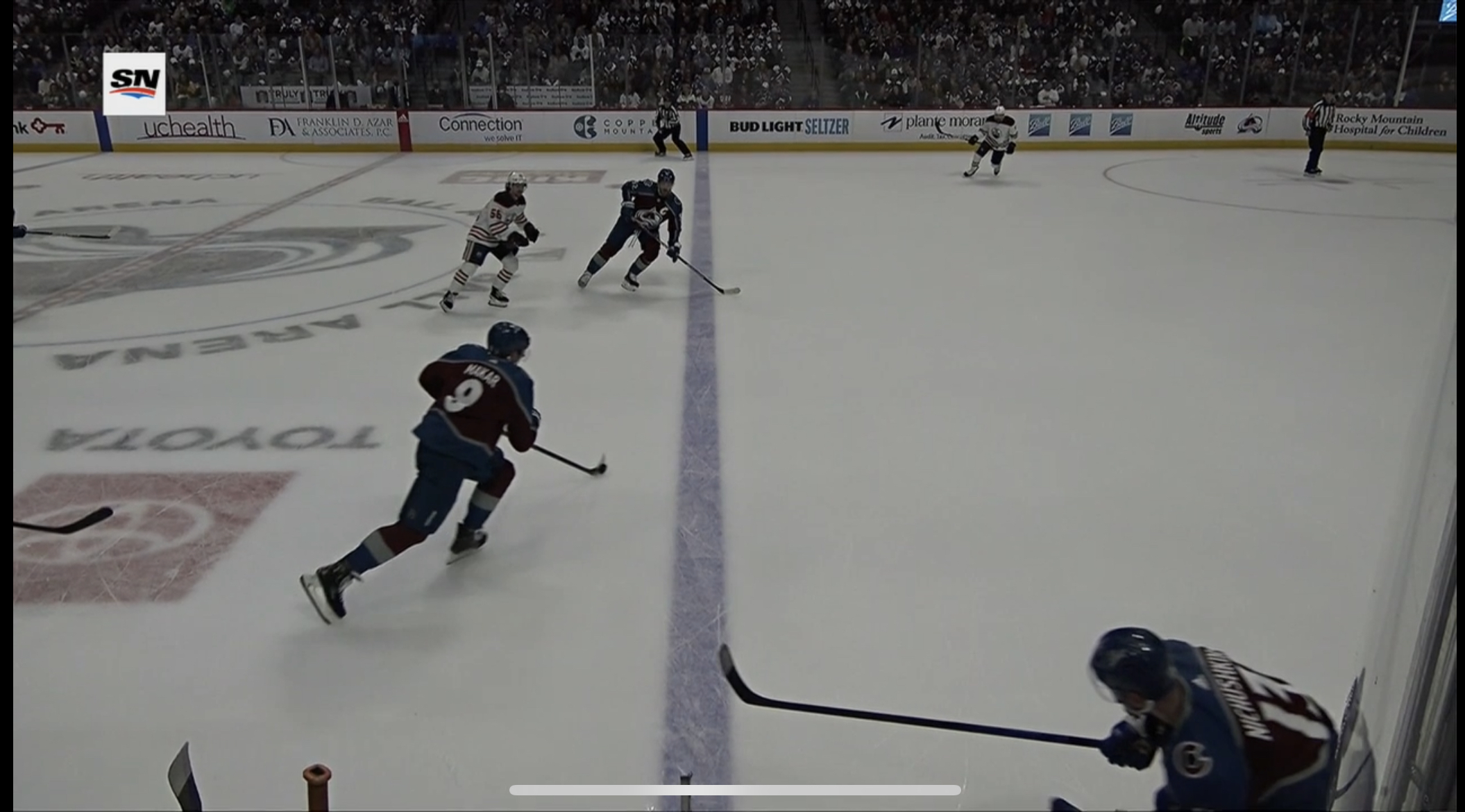
First, look at the linesman at the top of the photo. His hand is not in the air. This is not a delayed offside. The rule 83.3 screengrabs are not a factor with Makar. The puck was not in the Edmonton zone, it was in the neutral zone when Makar first touches it. He’s onside, not attempting to pursue a puck while offside.
Play continues if offensive players who preceded the puck into the zone return to the blue line and tag it. Valeri Nichushkin is this player in this case.
Scouting the Refs, an excellent resource, added this: “Earlier in Rule 83.3, the rule references when an ‘attacking player (or players) has preceded the puck across the attacking blue line’ — these are the players who can’t touch the puck, engage a defending player, or attempt to gain possession.”
That’s Nichushkin here, not Makar. If Makar dumps it in and Nichushkin goes for the puck before tagging up, it’s offside. If he went to collect the puck instead of tagging, he’s offside.
If you watch the goal either at replay or real speed, the only signal the linesman makes is to wave-off an offside call. It’s close, but Nichushkin is ruled to have legally left the zone.
(This particular situation was a major emphasis prior to the playoffs for teams and broadcasters. The NHL took pains to remind everyone that a player’s skate is allowed to be off the ice provided it has not cleared the plane of the blue line when entering the zone, but that is not good enough when exiting. Your skate must touch the ice to clear.)
A few of you thought there was no way the linesman could make an accurate onside call at such high speed. I can’t speak to this, but do know that, years ago, at a GM meeting, Steve Yzerman suggested the benefit of the doubt be given to “onside” to encourage more goals — knowing video review existed as a backup.
I understand there’s this huge debate over possession and control, but if you look at the examples at the top of this column, you see that this has been called a certain way for five years. I understand how many of us, who don’t have NHL-level video scrutiny would look at that and think it’s wrong.
In almost every league, it would be.