NEW HEIGHTS
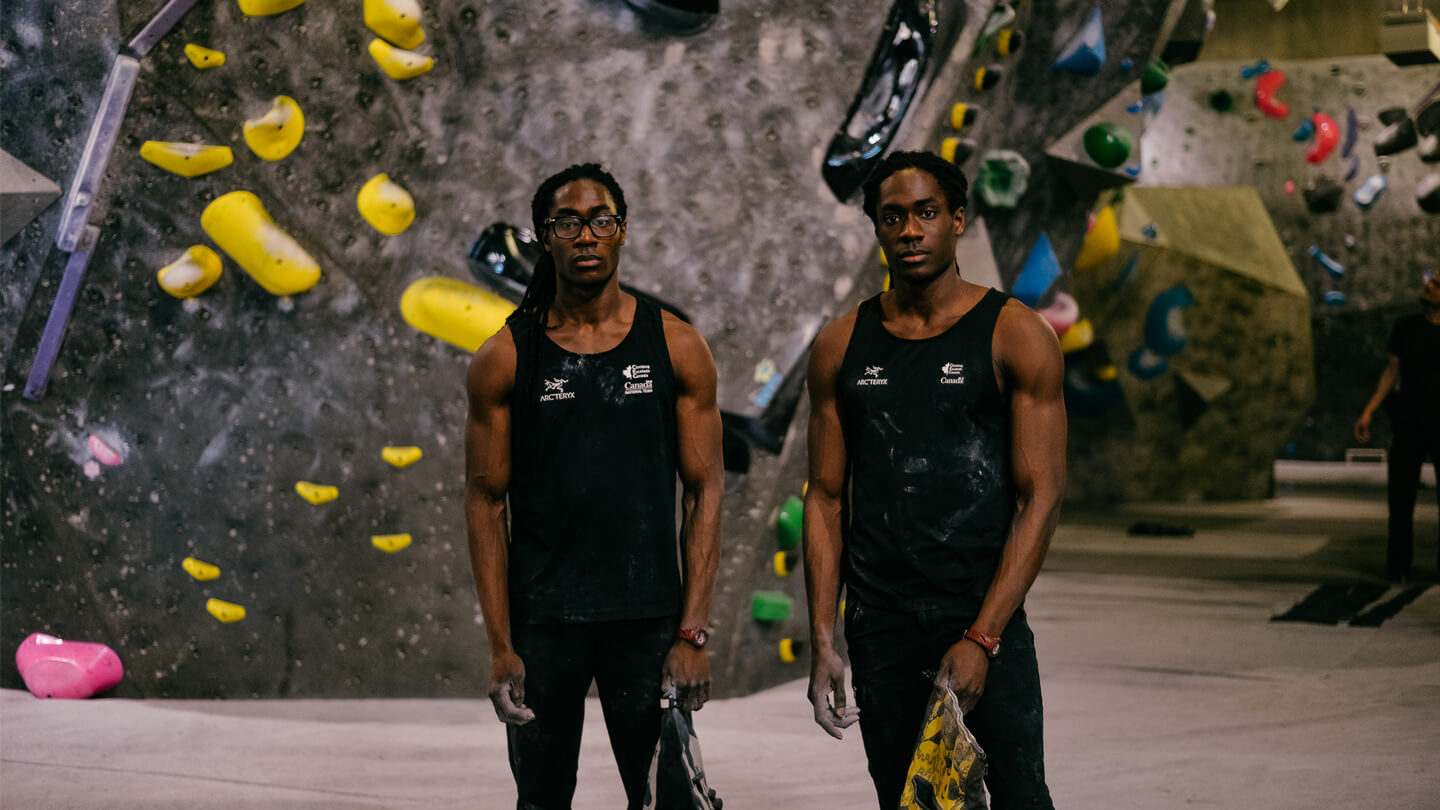
A t the start of a lead climbing event, competitors are given a handful of minutes to inspect the route before they’re herded off to an isolation area to wait for their turn on the wall. The idea is to keep them from collecting intel from other climbers’ attempts, ensuring that when they set their hands on the first holds, the challenge stretching out above them is an unfamiliar one, a 15-metre puzzle they have to solve in real-time as they move through it.
For Guy and Kindar McNamee, two of Canada’s best climbers, the metaphor is fitting, because there was no blueprint for the twin brothers’ young careers. At 22, they have multiple national championships on the mantle, but built that success without role models who looked like them in sport climbing. As two of the only Black athletes at the highest levels of their sport, they’ve figured it out themselves, in real-time.


The McNamee twins were adopted and came to Canada from Haiti just before their second birthdays. They tried multiple sports growing up, but had trouble connecting with teammates. As Guy told Olympics.com in 2022, “We tried soccer, but we were always too shy to really talk to anyone, even to say ‘pass the ball.’”
Climbing changed all that. The brothers took up the sport at nine and haven’t looked back. After standout junior careers, they now represent Canada on the IFSC circuit.
In this conversation with two of sport climbing’s calmest athletes, the McNamees explain what drives them to compete at such a high level, the vital importance of representation, and how climbing can become more accessible to the younger athletes who see themselves in the brothers’ stories.

TAGWA MOYO: When you get to the level of competition you’re both at, it must be easy for climbing to take over your life. What do you enjoy doing to keep your mind at a place where you can compete at a high level?
GUY MCNAMEE: When I’m not climbing, I like coaching — we like coaching. We both coach a competitive team, which is a lot of fun.
KINDAR MCNAMEE: We used to be part of this competitive team, but then we aged out, and now we’re coaching it. So, it’s a nice flip.
When you guys were first starting in sport climbing, who did you look up to — be it in the climbing world or outside influences?
GM: We didn’t have someone — or that many — growing up.
KM: There weren’t that many Black climbers. Our biggest influence was just our coaches.
GM: We trained four to five days a week. Our coaches were the people we trusted to help us get to the next level.
At what point did you realize you were good at climbing?
GM: Our first time going to youth worlds and Pan Am Games.
KM: That was the step where we were like, “We are actually doing quite well here.”

Both of you are very calm and reserved. Where does your competitive drive — your fire — come from?
GM: Trying to be competitive within yourself. Can I be better than I was yesterday? Having the mindset, “I was this good three years ago, let’s see how much better I can get now.” Pushing the limits of what you can do. My goal is to one-up myself all the time. I think that’s exciting, really incredible, to be like, “Okay, well, where can I get if I focus on this? What can I do?”
How does it feel to know you inspire the next generation of younger climbers of colour?
GM: It’s nice when you can be that person who has an impact on someone else. Can I get them to believe more in themselves? Because, in this day and age, a lot of people feel excluded. I think it’s really helpful for people to see [other] people and know, “I’m not just one.”
KM: It’s also important to show that you’re a good team player, even if it’s not a team sport, but just being nice to others.
What does representation mean to y’all?
GM: Being a good role model to others who look like me and showing that this sport is for everyone of all cultures. I’m just showing that everyone is welcome.
As individuals, what have you learned from each other?
KM: The big thing is pushing each other. A few times, people have said, “Oh, I don’t think you can get the climb.” But then, we have a look, or one of us gets the climb, and then I realize it’s possible [for the other to get it, too]. In terms of training and keeping each other accountable, being like, “Hey, did you do that climbing the best way you could have done?”
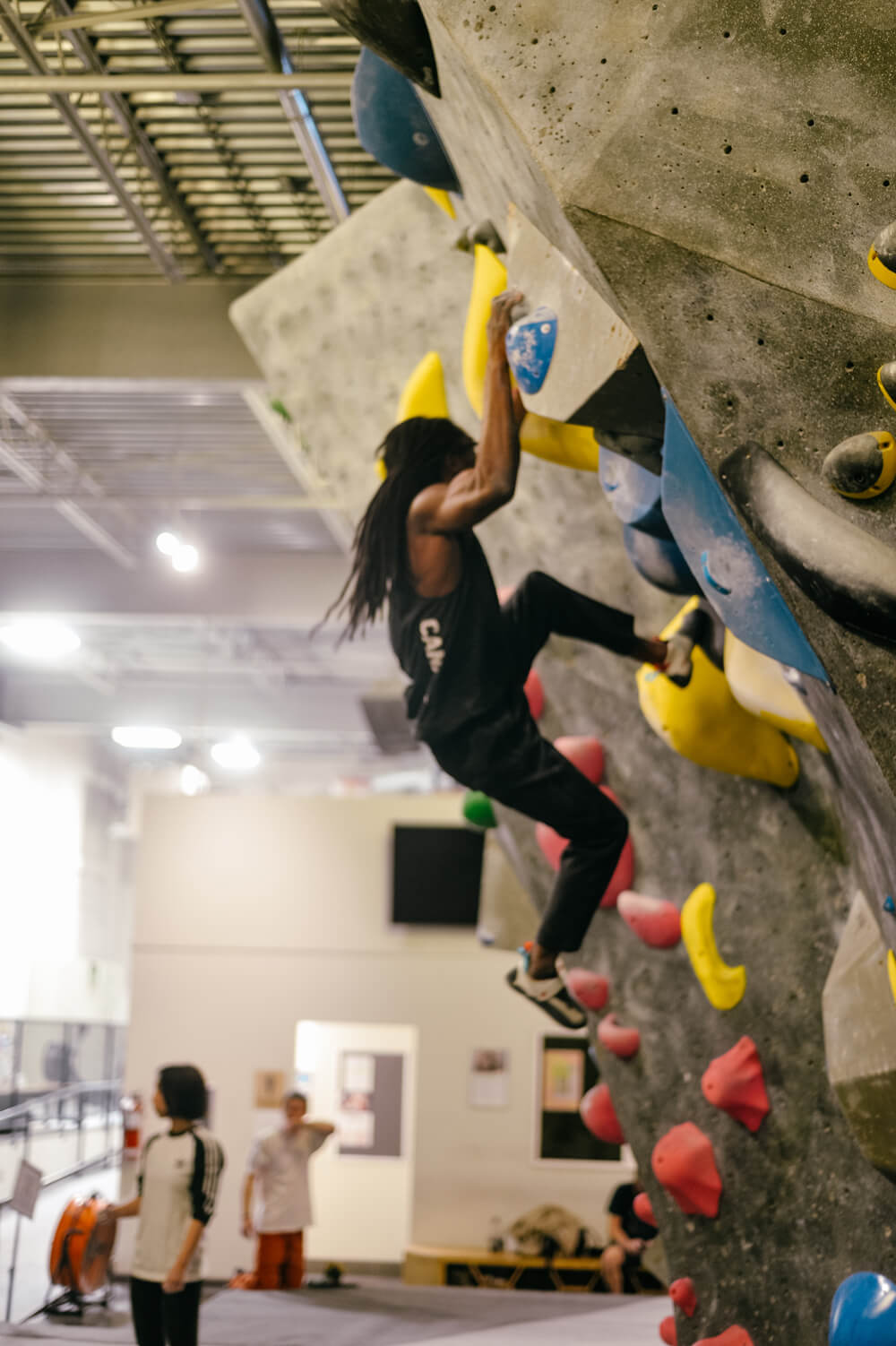

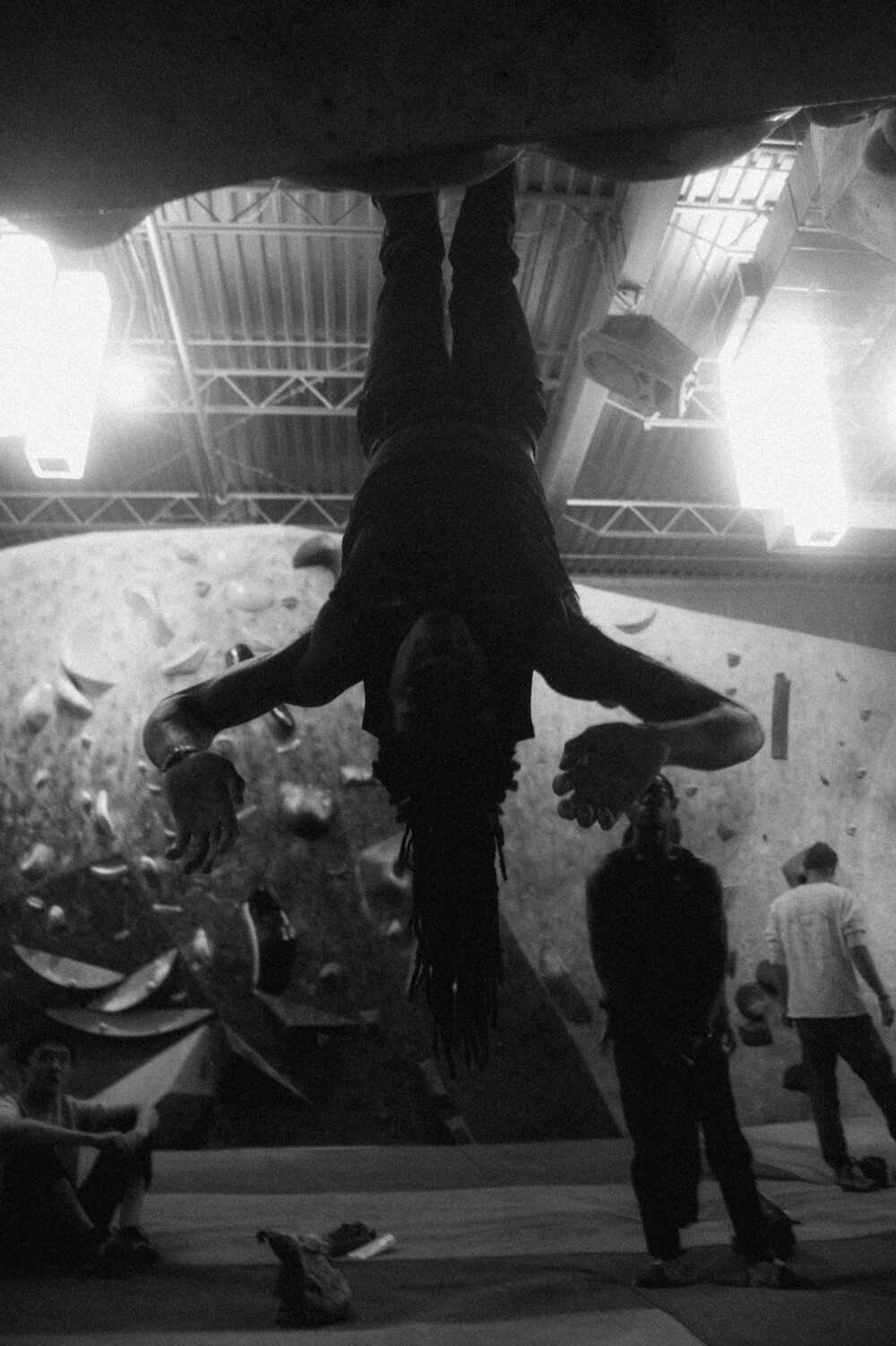
How do you think climbing can become more accessible to the Black community?
GM: I think one thing is availability — going to schools or different places and introducing it to more people. Because I think many people, once introduced to it, are like, “Oh, well, I love this sport, and I want to go into the gym a lot.”
Every athlete dreams of representing their country on the world stage. Looking ahead to the next Olympics, is that a goal of yours?
GM: 2028 has never really been a goal of ours. It would be nice to go there, and it’s more of a dream. But it’s more about being realistic about what we want to build up to. It is like the pyramid of success. Imagine the Olympics is at the very top of the pyramid; in the middle is winning nationals and then doing well at the World Cups. It feels like we’re in the middle. Right there, trying to do well in Cups and build on that. Once we do that, we can climb to the tip-top of that pyramid.