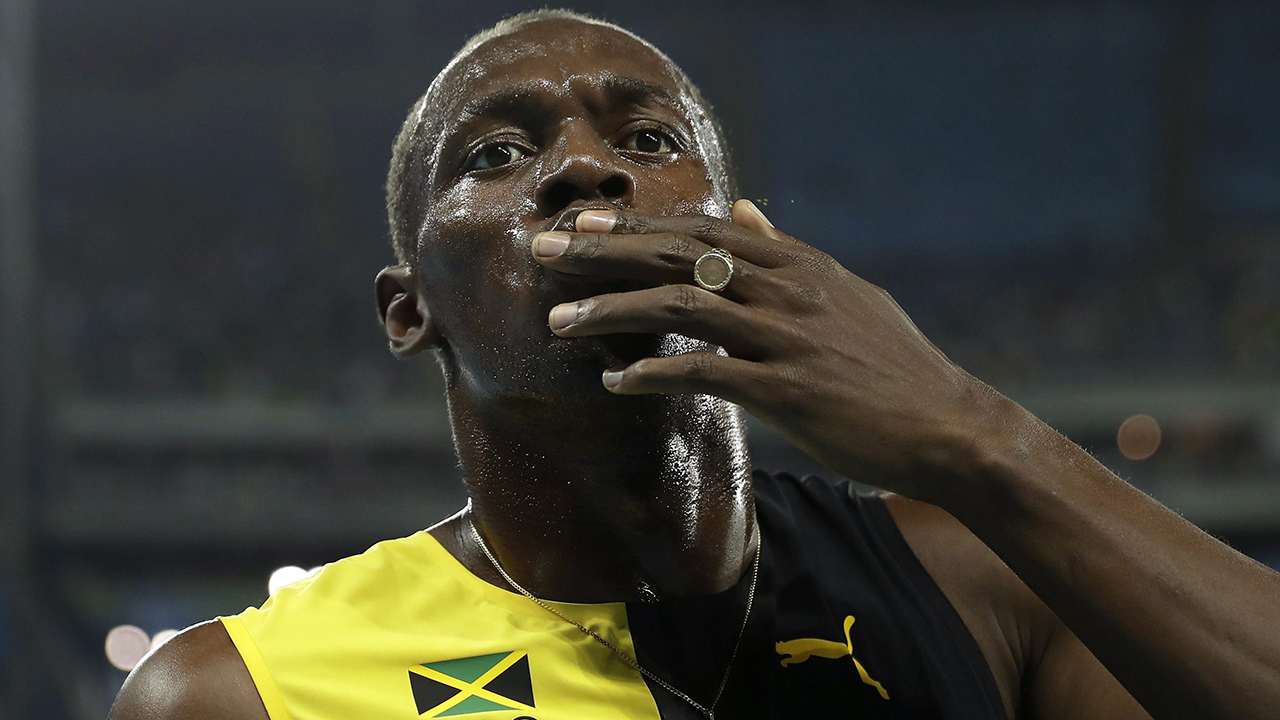

TORONTO — At some point — Olympic gold medal number three or four, maybe, or perhaps it was the dancing and posturing — Usain Bolt turned the Jamaican track and field team into the world’s home team.
He’s done well by it, too. Made riches for himself and became the single most indispensable athlete of any sport, anywhere. There will never be another Muhammad Ali, because that bar was set impossibly high by a different set of political, spiritual and moral realities (although give Donald Trump four years and who knows?). But because of where Bolt is from, how he got to where he is and how he has maintained his status as world citizen as well as world’s fastest man, he has laid a marker at least in keeping with the likes of Pele. Plus … Jamaica. Marley.
And now some of it has gone. Just a little bit … but, still. When the IOC announced Wednesday that it was stripping the Jamaican men’s 4×100-metre relay team of the gold medal it won at the 2008 Beijing Olympics because of a drug re-test that nabbed teammate Nesta Carter, Bolt’s legacy was collateral damage.
The triple treble is no more.
The IOC announced in 2016 that it was re-testing frozen blood and urine samples from 454 athletes at both the Beijing and London Olympics, taking advantage of new technologies that were more sensitive than those used during the 2008 Games. Because it’s the IOC — an organization of suspect credibility at the best of times — many viewed the re-testing as a public relations ploy coming out of the toxic, chemical mix of Russian state-funded doping at the 2014 Winter Games in Sochi. This puts the lie to that: Jamaican sprinters are the rock stars of Olympic athletes, and while Bolt is the lead guitarist and vocalist, Carter has been a key part of the rhythm section and sings backup vocals. Michael Frater and Asafa Powell, the other members of the 2008 relay team were part of that group, too.
Carter, who ran the first leg for Jamaica in 2008, was found to have traces of methylhexaneamine, a drug that used to be common in nasal decongestants in the 1980s and is now often found in nutritional supplements.
Bolt still has gold medals from the 100-, 200- and 4×100-metre races in London and Rio de Janeiro; he has individual medals from the 100-metres and 200-metres races in Beijing, and he said last summer when word filtered out that this was a possibility that he would return his medals if asked. Part of me would prefer there be some sort of statute of limitations on these tests. I mean, I gave up looking for morality in my sports about 30 years ago. But I will admit the vantage point is of someone lucky enough to have covered races won by Bolt and lucky enough to be at National Stadium in Kingston, Jamaica, along with other journalists from around the world and 25,000 spectators for ‘Champs’ — the Jamaican high school track and field championships.
Anson Henry, now a producer with CBC Sports, was — along with Hank Palmer, Pierre Brown and Jarod Connaughton — part of the Canadian 4×100-metre team that finished sixth in Beijing in the race, and when he heard Wednesday’s news, he tweeted:
"I kind of laughed about it, because there have been so many tests and implications … at this point I don’t get upset any more," Henry told The Jeff Blair Show. "Bolt doesn’t have the triple-triple … but he’ll be OK."
Henry, instead, turned his thoughts to a team like Thailand, which missed out on qualifying for the final. Or the gold medalists — Trinidad and Tobago, led by the splendid Richard Thompson, will now receive gold — who never had a chance to celebrate; to cross the line arms aloft or dance with their flag or stand on the top step of the podium.
There will be those who say one disqualified athlete shouldn’t ruin it for the team, and while Henry understands that initial reaction, he believes it doesn’t acknowledge the impact one runner can have on a relay race.
"The entire race changes," Henry said. "And with that, the race can’t be official. They can’t get that medal. Nesta ran a great leg, and if you are able to get off in that type of rhythm with your first leg … it sets up the rest of your race. The chemistry he may have had with their second leg (Frater,) comes into play. For another thing, Hank Palmer — bless his soul, but Nesta ate Hank Palmer alive, so that throws off our race, too. There’s a lot of stuff going around that can be affected by one person in the race."
There is no living athlete with as much worldwide currency than Bolt. Ali left us last year, cartoonish Tiger Woods is a spent and largely vilified force and never translated with the poor … LeBron James … Lionel Messi and Cristiano Ronaldo? None of them are of the developing world like Bolt. None of them grew up bare-footed. Bolt resonates because all of us — whatever our size, religion, race, economic or geographic background — have tried to run fast at some time. And when Bolt did his ‘gully creepa’ dance in Beijing and raised that hackles of the hide-bound IOC powers that be, he helped drive home the rift between the old, Euro-based white sports hierarchy and a new reality. Bolt literally leaves a trail of happiness in his wake, even as he challenges convention. That’s a helluva trick.
Yeah, this is way too close for comfort people. Way too close.
"Nine becomes eight," British sprinter Marlon Devonish, whose 4×100 team was disqualified in Beijing, told BBC 5 Live sports. "That has to be a disappointment for him."
Eight? Eight is enough … but please let it be the end of it.