
Each year, when the calendar officially turns to summer, we fall in love. It’s a summer fling — a Wimbledon love affair.
For a fortnight, a small, humble British town is the epicentre of tennis. The All England Club is home to a tradition that transcends the game and, at its best, even transcends sport. The tradition is unparalleled. There’s a British respect for the sport and its players that even time can’t erode.
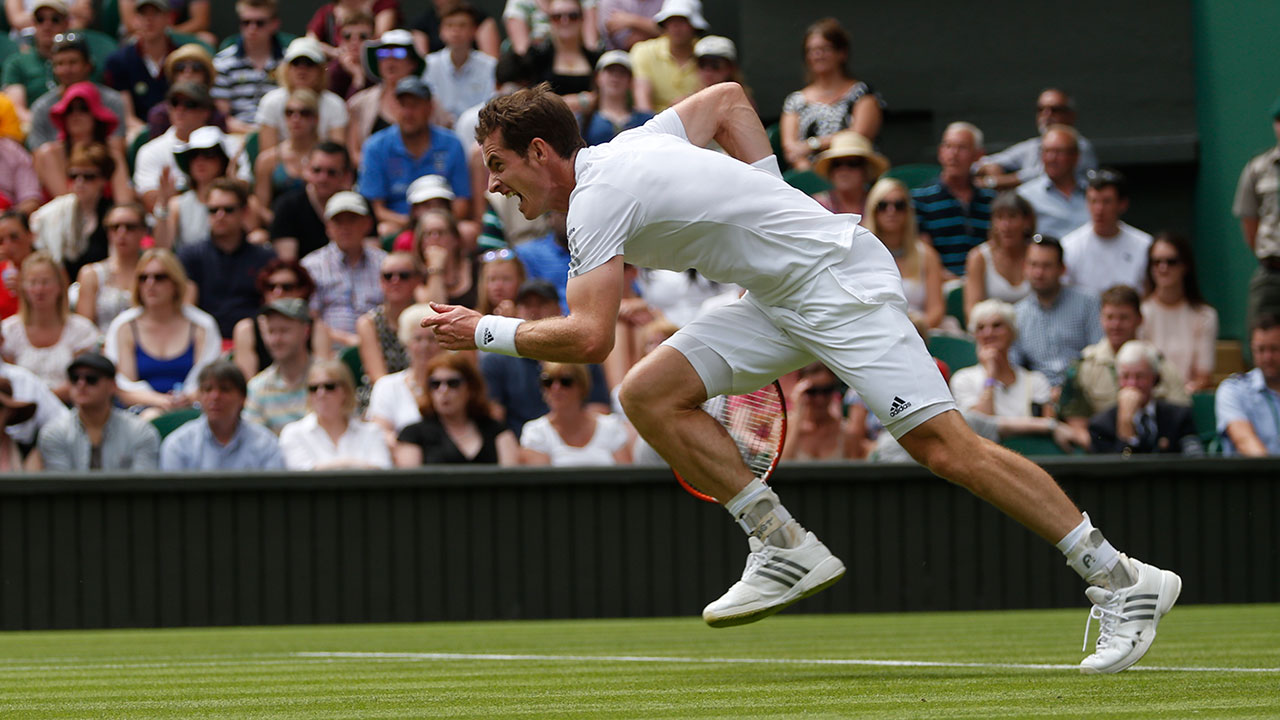
While the tennis may evolve, the details remain the same. It starts on the court, with the crisp white uniforms contrasting with the perfectly-manicured grass. There’s no need for sponsorship clutter or anything else that would distract from the art of the match.
Cursing from the stands is a sign of disrespect. Painted beer bellies? Unthinkable. What would the Queen say? Wimbledon isn’t a right, it’s a privilege, so act accordingly or see yourself out. But if you promise to behave, then enjoy.
Thirsty? Treat yourself to some afternoon tea or Pimm’s on Henman Hill. Hungry? Strawberries and cream are a refreshing snack. And when it rains, don’t fret — that’s Wimbledon.
After all, Wimbledon is where it all began. It’s where champions were born and eventually surpassed. After Bjorn Borg, and before Roger Federer, Pete Sampras was Wimbledon and Wimbledon was Pete Sampras. And if Sampras was King, Martina Navratilova was Queen.
Each generation has their memories, whether it’s Arthur Ashe facing Jimmy Connors in 1975, Bjorn Borg and John McEnroe in 1980, or Roger Federer against Rafael Nadal in the greatest tennis match ever played in 2008.
For those who love tennis, Wimbledon is everything; it’s the mecca, and proof is in the tears of the winners and losers.
In 2010, Nicolas Mahut and John Isner gave Court 18 all they could muster, in the longest match in tennis history. They left everything on the court and it was only a first-round match.
In 2012, when Andy Murray lost to Roger Federer in the final, he cried as he addressed the crowd. He apologized to his opponent, not wanting his emotions to detract from Federer’s feat — a seventh Wimbledon title. A year later, those same tears were tears of happiness when Murray ended the 77-year drought and became the first British man since Fred Perry to win Wimbledon.
To win Wimbledon is to reach the pinnacle of tennis.
To watch Wimbledon is to witness history. And it sure is a lot of fun.
Enjoy your breakfast at Wimbledon.